All we need is your phone number and a scan of the document. We reply within 5 minutes during business hours.
By clicking the button, you agree to the privacy policy. Documents are processed confidentially.
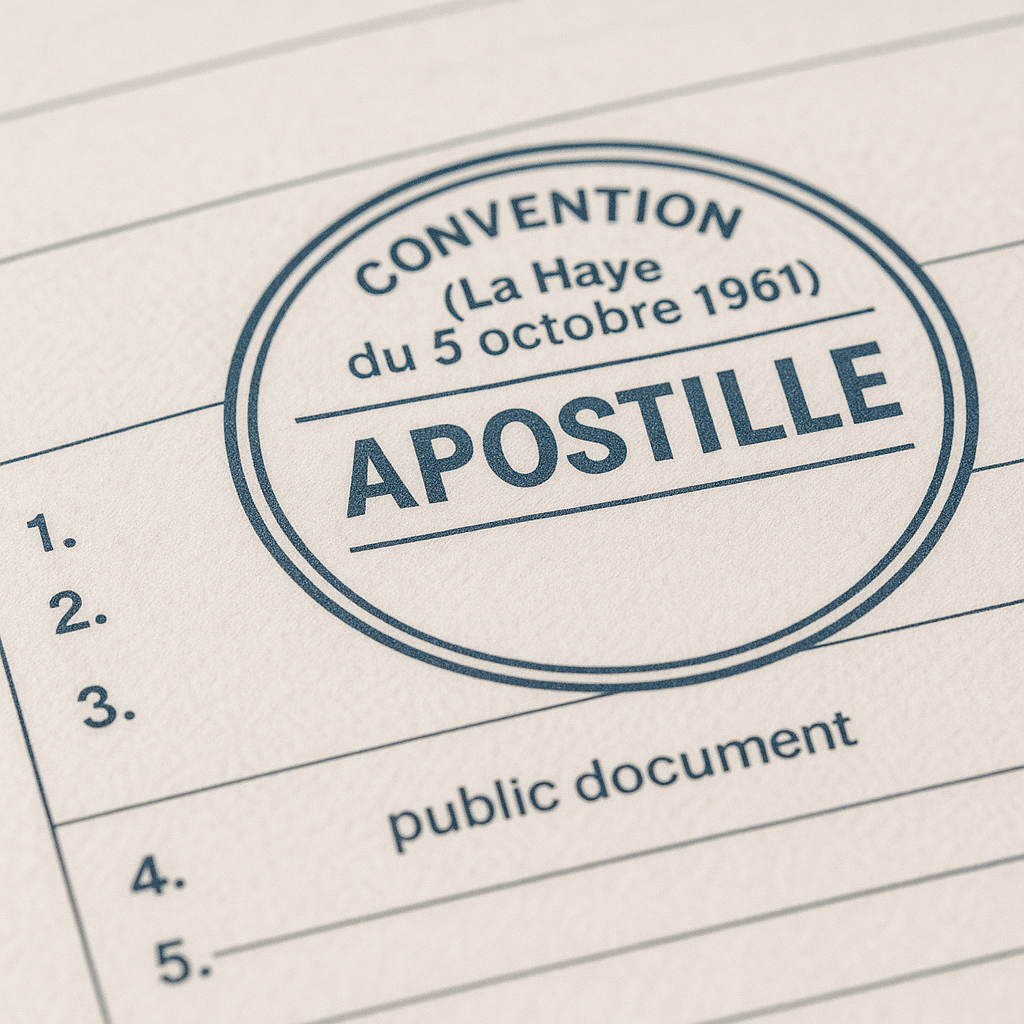
An apostille is a simplified form of legalization of official documents for use abroad. It is usually required when the document is intended for presentation in a state that signed the 1961 Hague Convention. However, in some cases citizens of Uzbekistan can do without an apostille.
The Republic of Uzbekistan is a party to the Minsk Convention “On Legal Assistance and Legal Relations in Civil, Family and Criminal Matters” (1993).
Under this agreement, documents issued in the territory of one member state are accepted in another member state without apostille and consular legalization. A notarized translation is sufficient.
Countries where apostille is not required (under the Minsk Convention):
👉 If you need to submit a diploma, certificate, official statement, or any other document to one of these countries, an apostille is not required.
In addition to the Minsk Convention, Uzbekistan has concluded bilateral agreements on mutual recognition of official documents with a number of states.
Among them:
Despite the treaties, foreign authorities sometimes impose additional requirements:
• In Poland, some universities and government institutions require an apostille.
• In the Czech Republic, the translation must be done by a translator accredited with the embassy.
⚠️ Therefore, before submitting documents, always clarify the rules at the specific foreign institution.
• If the country does not participate in the Minsk Convention and has no bilateral treaty with Uzbekistan.
• If the document is intended for states requiring an apostille under international agreements (e.g., EU countries, USA, Canada, Australia, etc.).
We have collected the groups of countries in one table so you can see whether an apostille is needed in your case:
| Group of countries | Countries | What is required for the document |
|---|---|---|
| Parties to the 1993 Minsk Convention | Azerbaijan, Armenia, Belarus, Georgia, Kazakhstan, Kyrgyzstan, Moldova, Russia, Tajikistan, Turkmenistan, Ukraine | a notarized translation, without an apostille or consular legalization |
| Bilateral treaties with Uzbekistan | Latvia, Lithuania, Estonia, Bulgaria, Hungary, the Czech Republic, Poland, Serbia and others | a notarized translation; some institutions still ask for an apostille |
| Countries that require an apostille | EU countries, the USA, Canada, Australia and other parties to the Hague Convention | an apostille on the original and a translation of the document |
| Countries outside both mechanisms | states that are not parties to the Hague Convention | consular legalization of the document |
In practice the requirements can be stricter than the treaty: in Poland individual universities and government institutions do ask for an apostille, and in the Czech Republic the translation must be done by a translator accredited with the embassy. Check the rules with the institution where you are submitting the documents.
BTM Translate in Tashkent provides a full range of services:
We will help you avoid unnecessary spending of time and money, check whether an apostille is actually needed in your particular case, and prepare the documents as quickly as possible.
Apostille in Uzbekistan is not needed for countries party to the Minsk Convention of 1993 and states with bilateral agreements on document recognition. However, given changing requirements, it is better to consult specialists in advance.
📞 Contact BTM Translate — we will advise whether an apostille is needed in your case and handle all the paperwork for you end to end.
If you do need an apostille, use the service assistance in obtaining an apostille. To learn how to obtain the stamp online, read the article electronic apostille in Uzbekistan, and for countries outside the Hague Convention you may find useful the guide to consular legalization.
If an apostilled document was still rejected, the reasons and solutions are collected in our article on why an Uzbek apostille is not accepted, and the procedure for a foreign birth certificate is described in the article on apostille of a birth certificate for an Uzbek passport.
An apostille is not needed if a legal assistance treaty is in force between Uzbekistan and the country of destination (documents are accepted without an apostille) or if the document is used inside the country.
With a number of CIS countries and other states with which the relevant treaties have been concluded - for example with Russia. The exact status is checked for each specific country.
Yes, a notarized translation is usually still required - exemption from the apostille does not cancel the translation requirement.
The requirement is determined by the country of destination and the type of document. It is better to check with the receiving organisation or a consultant before preparing the documents.
Under such a treaty documents are accepted without an apostille, but notarization and a translation are sometimes required. The requirements are checked with the receiving party.
Yes, we advise on the requirements, provide translation with notarial certification and support the preparation of documents. BTM Translate, Tashkent.
BTM Translate is a private translation company. We are not a government body, the Ministry of Justice, the Ministry of Foreign Affairs, a notary office or any other state organisation.
We provide written translation services, arrange notarial certification of translations and support clients in preparing their documents. Apostilles, consular legalization and the issuing of official documents are carried out solely by the authorized government bodies.
The cost of BTM Translate services may not include state duties and official fees unless expressly stated otherwise in the quotation.